Vietnam’s Manufacturing and Labour Market Show Growth Amid Economic Optimism
Vietnam reports strong manufacturing output and positive labour market signals in the first nine months of 2026, supporting steady GDP growth forecasts.

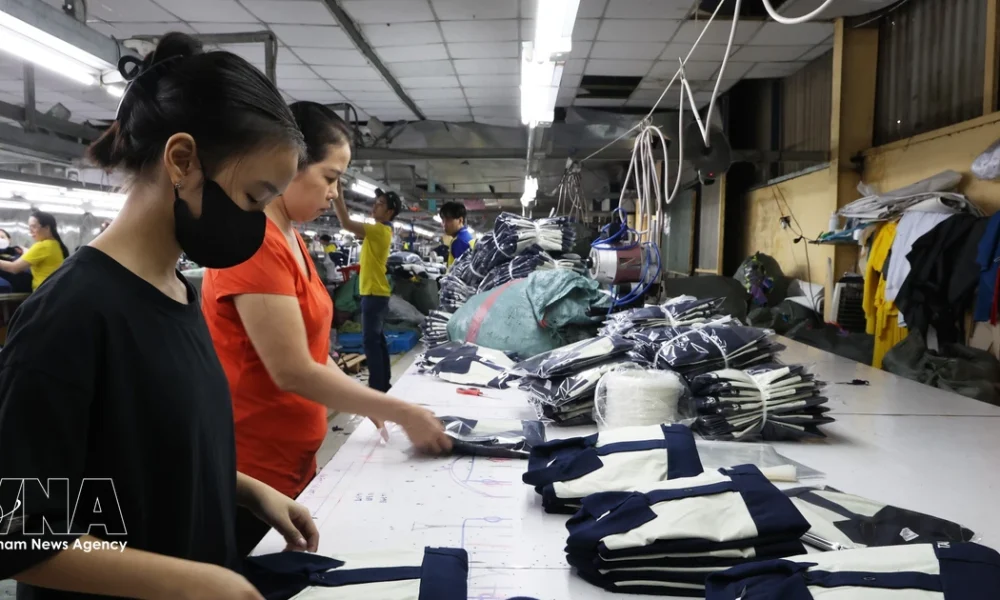
Vietnam’s manufacturing sector and labour market exhibited sustained growth in the first nine months of 2026, reinforcing positive economic momentum according to official data and industry reports.
Quick Skim
- Manufacturing Sector Drives Economic Expansion
- Labour Market Conditions Show Positive Signals
- Foreign Direct Investment Quality Over Quantity
- Trade and Export Markets Support Growth
- Financial Markets and Capital Mobilisation Develop
- Implications for Industrial and Operational Stakeholders
- Outlook for Vietnam’s Industrial Growth
Manufacturing Sector Drives Economic Expansion
Industrial production maintained robust growth through the third quarter, with Quang Ninh province leading nationwide expansions by registering a 15.04% increase in gross regional domestic product (GRDP) during this period. Manufacturing output contributed significantly to Vietnam’s overall GDP growth.
Standard Chartered forecasted Vietnam’s GDP growth at 8.7% year-on-year in the third quarter of 2026, an upward revision from the 8.4% growth recorded in the previous quarter. The growth was attributed mainly to industrial production, active trade flows, and resilient domestic demand, despite continuing external uncertainties.
Labour Market Conditions Show Positive Signals
Labour market indicators have also improved, with increased employment opportunities in manufacturing and related sectors. This uptrend aligns with government efforts to sharpen investment quality, focusing on value creation and sustainable development.
The Vietnamese labour force is expected to respond to rising industrial activity, with vocational training and workforce development initiatives gaining emphasis in provinces such as Phu Tho, which is now engaging foreign investors from Russia to enhance skills and stimulate industrial growth.
Foreign Direct Investment Quality Over Quantity
Vietnam’s investment landscape has shifted from prioritising the volume of foreign direct investment (FDI) to enhancing the quality and sustainability of inbound projects. According to government officials, fewer than 200 FDI enterprises are subject to global minimum taxation, reflecting regulatory refinement aimed at attracting strategic investors rather than large capital inflows alone.
Projects such as the recent US$100 million investment by a South Korean group in Da Nang to manufacture BCF yarn and commercial carpets demonstrate confidence in Vietnam’s industrial development potential.
Trade and Export Markets Support Growth
Trade activity remains a cornerstone of economic performance, with agro-forestry-fishery exports reaching approximately US$56.3 billion in the first nine months—an increase of 7.8% year-on-year. To meet full-year targets exceeding US$74 billion, exports must sustain monthly revenues averaging nearly US$6 billion in the final quarter.
Efforts to develop free trade agreement (FTA) implementation management systems are underway, aiming to provide comprehensive support for businesses to better engage with international markets, including mechanisms for compliance, logistics and finance across supply chains.
Financial Markets and Capital Mobilisation Develop
Vietnam’s stock market has seen increased activity with capital raised through share offerings reaching nearly VND114 trillion in the first seven months of 2026, representing a 43.4% rise. Public bond offerings, including international and convertible bonds, surged by over 160% to VND52.15 trillion, indicating growing investor confidence and enhancing financing options for industry and infrastructure projects.
Implications for Industrial and Operational Stakeholders
The positive trends in manufacturing output and labour market conditions suggest enhanced capacity for production and supply chain stability. For plant managers and operations executives, these developments indicate potentially stronger demand, an expanding skilled workforce, and improved access to capital.
Nevertheless, adherence to evolving regulatory frameworks for trade, investment, and labour management remains essential to navigate uncertainties and optimise operational performance.
Outlook for Vietnam’s Industrial Growth
Looking ahead, Vietnam’s industrial and economic trajectory appears steady, supported by continued government initiatives, foreign investment interest, and export sector expansion. The effectiveness of policy implementation, particularly in free trade utilisation and workforce development, will be crucial in sustaining growth momentum into 2027.